
Indoor Air Quality
Complete Indoor Air Quality Services
Comfort You Can Breathe
Your home’s air should be clean, healthy, and comfortable. The Dutchman Heating and Air provides professionally installed indoor air quality solutions, including advanced air filtration, purification, and humidity control systems tailored to your home’s needs.

Air Filtration Systems
Cleaner Air. Healthier Homes.
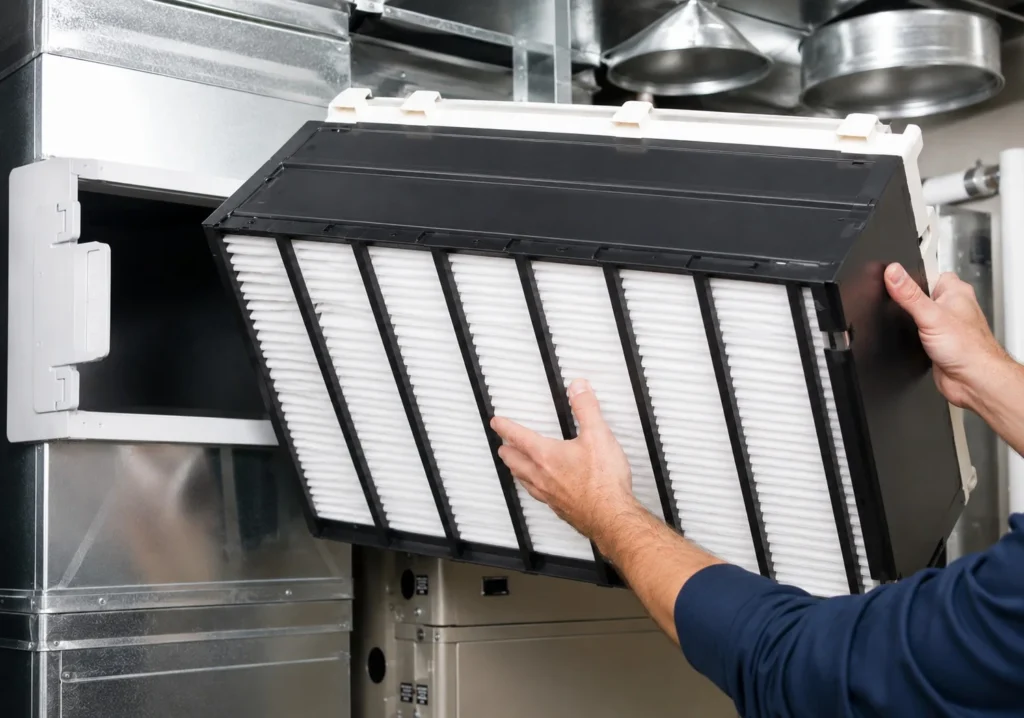
Your HVAC filter is the first line of defense against dust, allergens, and other airborne particles, but standard filters can only do so much. The Dutchman Heating and Air installs whole-home air filtration systems that work with your HVAC system to capture airborne contaminants throughout your home.
Whole Home Purification
Breathe Cleaner. Live Healthier.
The air inside your home can contain dust, allergens, bacteria, mold spores, and other airborne contaminants. The Dutchman Heating and Air installs whole-home air purification systems, including advanced UV air purification technology, to help reduce airborne pollutants and improve indoor air quality.
Home Dehumidifier Installation
Humidity Controlled. Comfort Restored.
Excess humidity can make your home feel uncomfortable, reduce indoor air quality, and even contribute to mold and moisture damage. The Dutchman Heating and Air installs whole-home dehumidifiers that integrate seamlessly with your HVAC system to maintain balanced humidity levels.
Home Insulation
Better Insulation. Better Performance.
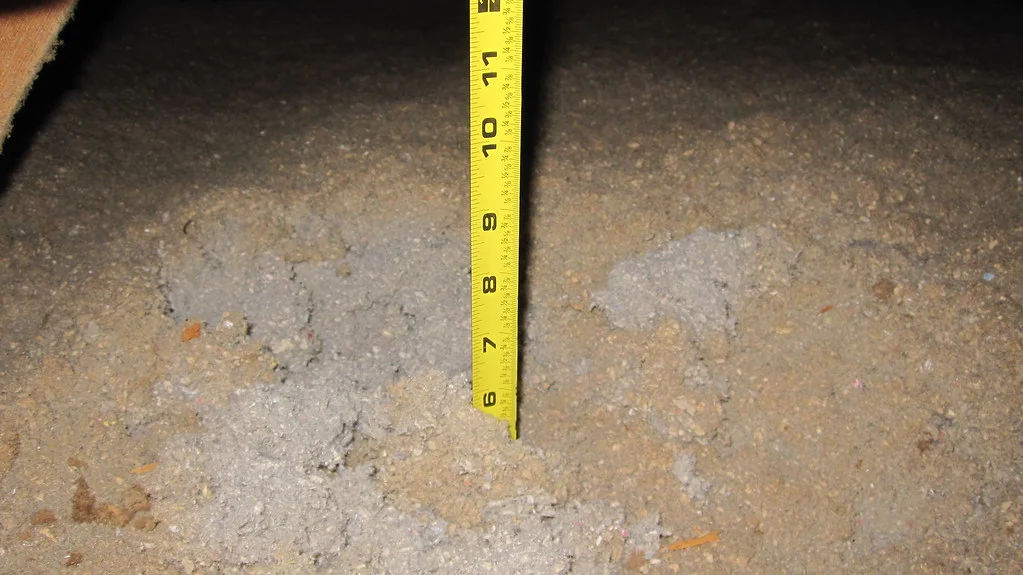
Your HVAC system can only perform as well as your home’s insulation allows. Proper home insulation helps keep conditioned air inside, reduces energy loss, and allows your heating and cooling system to operate more efficiently. The Dutchman Heating and Air provides insulation solutions designed to support your HVAC system and deliver more consistent comfort throughout your home.
Ready to Breathe Easier?
Schedule your indoor air quality assessment today and experience the comfort Middle Tennessee homeowners trust.
Frequently Asked Questions
Indoor Air Quality Services
General Indoor Air Quality
What are the signs of poor indoor air quality?
Poor indoor air quality can affect both your comfort and your health. Common signs include increased allergy or asthma symptoms, frequent sneezing or coughing, excessive dust buildup, lingering odors, uneven humidity levels, and headaches or fatigue that seem to improve when you leave your home.
The Dutchman Heating and Air offers a variety of indoor air quality solutions, including whole-home air purifiers, high-efficiency air filtration, humidity control, and ventilation improvements.
What causes poor indoor air quality?
Many factors can contribute to poor indoor air quality, including dust, pollen, pet dander, mold spores, excessive humidity, household cleaning products, and volatile organic compounds (VOCs) released by paints and furniture. Poor ventilation and dirty HVAC filters can also allow airborne contaminants to build up inside your home.
The Dutchman Heating and Air offers indoor air quality solutions designed to address these issues and help identify the source of the problem.
How can I improve the indoor air quality in my home?
Improving your home's indoor air quality starts with reducing airborne pollutants and maintaining proper airflow. Replacing your HVAC air filter regularly, keeping your home clean, controlling humidity levels, and ensuring your heating and cooling system is properly maintained can all make a noticeable difference.
The Dutchman Heating and Air can evaluate your home's indoor air quality and recommend solutions tailored to your family's needs.
What are the signs that I need to have my air ducts cleaned?
Excessive dust around your home, musty or unpleasant odors coming from your vents, worsening allergy symptoms, visible mold near air registers, recent remodeling projects, or evidence of rodents or insects in your ductwork can all be signs that your ducts need attention.
The Dutchman Heating and Air can inspect your ductwork and help determine whether professional duct cleaning is the right solution.
Air Filtration
How often should I change my HVAC system's air filter?
How often you should replace your HVAC air filter depends on the type of filter, your household, and how often your system runs. As a general guideline: 1 to 2 inch filters every 1 to 3 months, 4 to 5 inch high-efficiency filters every 6 to 12 months, HEPA filters every 12 to 18 months, and activated carbon filters every 2 to 3 months.
If you're unsure which filter is right for your home, The Dutchman Heating and Air can help you choose the best option.
What are the best air filters for my home?
The best air filter depends on your HVAC system, your indoor air quality goals, and your household's needs. For most homes, a quality pleated filter offers an excellent balance of airflow, filtration, and affordability. If family members have allergies or asthma, a higher-efficiency filter may provide additional protection.
The Dutchman Heating and Air can help you select the right air filter for your system and a replacement schedule that keeps your equipment operating efficiently.
Can dirty air filters damage my HVAC system?
Yes. A dirty or clogged air filter can restrict airflow, forcing your HVAC system to work harder to heat or cool your home. Over time, this added strain can reduce efficiency, increase energy bills, and lead to unnecessary wear on important components.
Replacing your air filter is one of the simplest and most effective ways to protect your HVAC system. The Dutchman Heating and Air can help you develop a maintenance schedule that's right for your home.
What does a whole-home air filter do?
A whole-home air filter helps improve your home's indoor air quality by capturing airborne particles such as dust, pollen, pet dander, mold spores, and other contaminants as air circulates through your HVAC system. Installed within your system's ductwork, it continuously filters the air throughout your entire home, not just a single room.
In addition to improving indoor air quality, it can help reduce allergens and protect your HVAC system.
Air Purification
What does a UV air purifier do?
A UV air purifier uses ultraviolet (UV-C) light to help reduce bacteria, viruses, mold, and other microorganisms that can circulate through your HVAC system. Many UV air purifiers are installed near the indoor evaporator coil, where moisture can encourage mold and microbial growth.
The Dutchman Heating and Air can help you determine whether a UV air purification system is a good fit for your home.
Are air purifiers worth it?
For many homeowners, yes. A whole-home air purifier can significantly improve indoor air quality by reducing dust, allergens, bacteria, mold spores, and other airborne contaminants that circulate through your HVAC system. This can be especially beneficial for families with allergies, asthma, pets, or other respiratory concerns.
The Dutchman Heating and Air can help you determine whether a whole-home air purifier is the right solution for your home.
Do air purifiers work?
Yes. When properly selected and installed, whole-home air purifiers are an effective way to improve your home's indoor air quality. They work with your HVAC system to reduce airborne contaminants such as dust, pollen, pet dander, and mold spores, and some advanced systems can also help reduce bacteria, viruses, and odors.
The Dutchman Heating and Air can help you choose the right air purification system for your home and indoor air quality goals.
What is the best whole-home air purifier?
The best whole-home air purifier depends on your home's HVAC system, your indoor air quality concerns, and your family's needs. For some homeowners, a high-efficiency media filter provides excellent protection, while others may benefit from a UV air purification system. In many cases, combining high-quality filtration with UV technology provides the most comprehensive solution.
The Dutchman Heating and Air will evaluate your home and recommend a solution based on what's best for your home, not a one-size-fits-all approach.
Dehumidifiers
What signs indicate that my home has excess humidity?
Common signs include condensation on windows, musty odors, visible mold or mildew, damp areas in basements or crawl spaces, and a home that feels sticky or uncomfortable even when the air conditioner is running.
If you notice any of these signs, The Dutchman Heating and Air can evaluate your home's humidity levels and recommend the right solution.
What is the ideal indoor humidity level?
For most homes, the ideal indoor humidity level is between 30% and 50%. Keeping humidity within this range helps create a more comfortable living environment while reducing the risk of mold growth, dust mites, musty odors, and excessive condensation.
The Dutchman Heating and Air can evaluate your home's humidity levels and recommend the right solution for your family's comfort.
Do whole-home dehumidifiers use a lot of energy?
No. Whole-home dehumidifiers are designed to operate efficiently while providing consistent humidity control throughout your home. Because they work with your existing HVAC system, they typically use less energy than multiple portable dehumidifiers trying to manage moisture in individual rooms.
The Dutchman Heating and Air can help you determine whether a whole-home dehumidifier is a worthwhile investment for your home.
What maintenance is required for a whole-home dehumidifier?
Whole-home dehumidifiers require very little maintenance, but routine care is important, including cleaning or replacing the air filter, inspecting the condensate drain for clogs, and keeping the unit free of dust and debris.
As part of your regular HVAC maintenance, it's a good idea to have your dehumidifier inspected by a professional.
Insulation
How does insulation benefit my home in Tennessee?
Proper insulation helps keep your home comfortable and energy efficient throughout the year. During Middle Tennessee's hot, humid summers, insulation slows the transfer of heat into your home, reducing the workload on your air conditioning system. In the winter, it helps retain heated air indoors.
The Dutchman Heating and Air can evaluate your home's energy efficiency and recommend insulation improvements.
What is the difference between batt and rolled insulation?
Batt and rolled insulation are both commonly made from fiberglass and provide similar insulating performance. Batt insulation comes in pre-cut sections designed to fit standard wall cavities, floors, and ceilings. Rolled insulation comes in long, continuous rolls that can be cut to length, making it ideal for large, open areas such as attics.
The Dutchman Heating and Air can recommend the right insulation solution for your home.
How often should I replace or upgrade my home's insulation?
Most insulation can last for decades if it remains dry, undamaged, and properly installed. However, insulation may need to be replaced or upgraded if it has been damaged by moisture, mold, pests, or settling over time. Signs it may be time to upgrade include rising energy bills, uneven temperatures, and drafts.
The Dutchman Heating and Air can evaluate your home's energy efficiency and recommend improvements.
What is blown-in insulation, and how does it work?
Blown-in insulation, also called loose-fill insulation, is made from materials such as fiberglass or cellulose and is installed using specialized equipment that blows the insulation into attics, walls, and other enclosed spaces. Because it fills gaps and hard-to-reach areas, it creates a more complete thermal barrier than many traditional insulation methods.
The Dutchman Heating and Air can evaluate your home's insulation needs and recommend whether blown-in insulation is the right solution.